

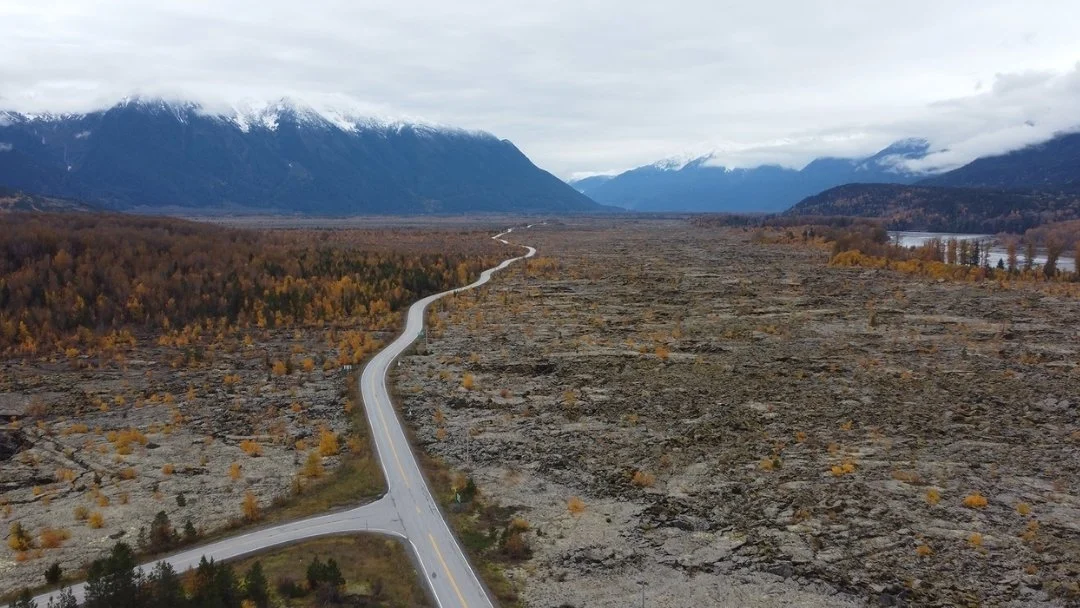
Bridge construction in Northern BC can involve getting crews, equipment, and materials to sites that are well outside major service centers. Before work reaches the bridge itself, project teams need to know how the site will be accessed, what conditions they will be working with, and how each stage of construction will fit together.
Those details become more important when distance limits how quickly equipment or materials can be brought in. The ground at the crossing also affects the work that follows, while weather and seasonal changes can shift what is practical on site. For remote bridge projects, these factors need to be considered as part of the work from the beginning.
Site Access Shapes How Bridge Work Begins
A bridge site has to be reachable before crews can begin the work planned at the crossing. On remote projects, that means considering whether existing roads can support the equipment and deliveries required or whether access needs to be prepared before bridge work gets underway.
The route into the site also affects how larger equipment and bridge components can be moved into position. A delivery that works on a highway may be more difficult once it reaches narrower access roads or areas with limited room for maneuvering. Crews need enough space to unload materials, position equipment, and work safely without creating unnecessary movement around the site.
Planning for those constraints early gives the work at the crossing a practical starting point. Once access is established, attention can shift to the ground conditions that will support the bridge.
Foundations and Substructures Depend on Site Conditions
What sits below a bridge determines how the structure can be supported at the crossing. Ground conditions, the shape of the site, and the requirements of the bridge all influence the foundation and substructure work that has to happen before the structure above can be put in place.
That work may involve abutments, piling, or other foundation components, depending on what the project requires. The important part is that these decisions respond to the conditions found at the site rather than treating one crossing like another. Equipment also needs enough room to carry out the work where those components will be installed.
For Boney Creek Development, bridge supply and installation is part of its civil construction services. That capability becomes relevant once the site and supporting work are ready for the next stage, when materials and equipment need to arrive in step with construction.
Materials and Equipment Follow the Construction Sequence
Once the supporting work is ready, the focus shifts to what needs to reach the bridge site and when. Materials and equipment cannot all arrive at once simply because access is available. Their timing has to follow the order of the work, with each stage creating the conditions needed for the next.
Bridge components may also require different handling than the materials used earlier at the site. Equipment needs to be available when those components are moved or installed, while deliveries have to fit the space and activities already underway. Bringing something in too early can leave it taking up limited room. Arriving too late can leave crews waiting for what they need.
For remote projects, that sequence makes delivery timing part of the construction work itself. The next requirement is keeping that sequence workable when conditions around the site begin to change.
Environmental and Seasonal Conditions Shape Bridge Work
Conditions around a bridge site can change while construction is underway. Rain, colder temperatures, or seasonal shifts can affect access to the work area and how easily equipment can move around the site. At a crossing, changing conditions can also influence which activities are practical at a given time.
That makes timing something project teams have to keep watching as the work progresses. A schedule set earlier may need to be adjusted when conditions on site no longer match what was expected. Rather than treating those changes as separate from construction, crews have to work within them while keeping the next stage of the bridge work in view.
Coordination Keeps Remote Bridge Projects Moving
Once construction is underway, each stage depends on what has already been completed and what needs to happen next. A change in site conditions or delivery timing can shift that sequence, leaving crews to adjust the work around what is available and ready.
That interdependence makes coordination especially important on remote bridge projects. Boney Creek Development’s Surespan partnership brings together regional project knowledge and bridge construction experience for infrastructure work in Northern BC. Keeping crews, equipment, materials, and scheduled activities aligned helps the project move from one stage to another without treating each part of the work as a separate task.
Bridge Infrastructure Supports Access and Long-Term Development
Around Laxgalts’ap, a bridge does more than carry traffic across a single crossing. It becomes part of the access network used to move people, services, equipment, and materials through the area. That makes bridge infrastructure relevant to both current transportation needs and future development within Nisga’a Territory.
Boney Creek Development’s Northern BC bridge projects include work connected to major infrastructure projects such as PRGT and KSM. That experience brings the article’s earlier considerations back into focus, especially the need to align access, site work, deliveries, and bridge installation with the wider construction program.
Planning a bridge project in Northern BC? Contact our team to discuss your project requirements.